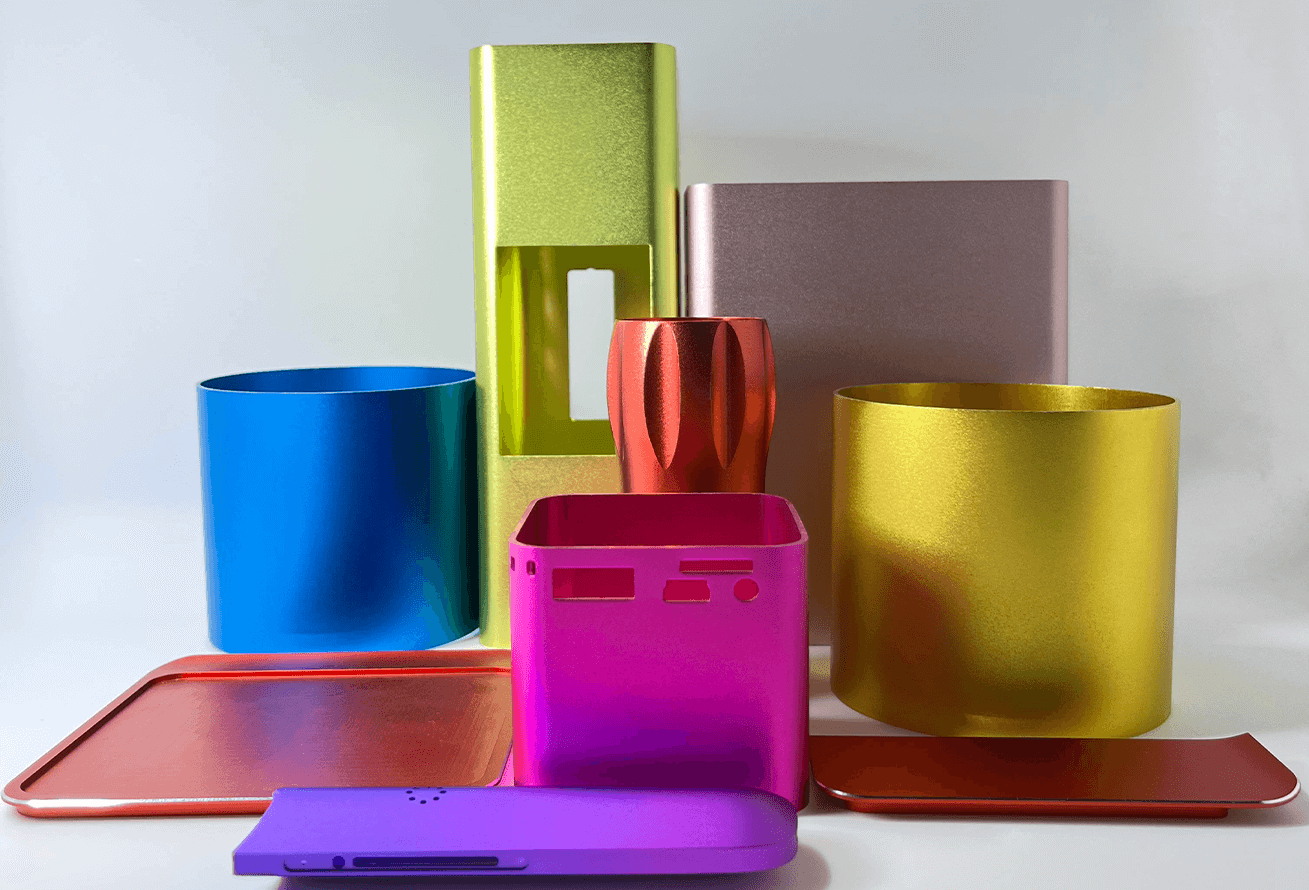
For robotics developers and medical R&D leads, component longevity is won or lost at the surface boundary. While precision CNC Milling Services secure exact micrometer dimensions, raw surface micro-defects cause premature fatigue and oxidation. For maximum field reliability, matching the right surface finishing with your design is non-negotiable.
Post-machining surface treatment involves the controlled chemical, mechanical, or electrochemical alteration of a component’s surface roughness, hardness, and molecular structure. It is a critical engineering phase rather than a cosmetic enhancement.
Raw components straight from the machine spindle inevitably harbor microscopic tool marks, minor directional stress valleys, and residual thermal stresses. If left untreated, these invisible micro-flaws act as primary catalysts for premature wear, corrosive oxidation, and mechanical fatigue failure.
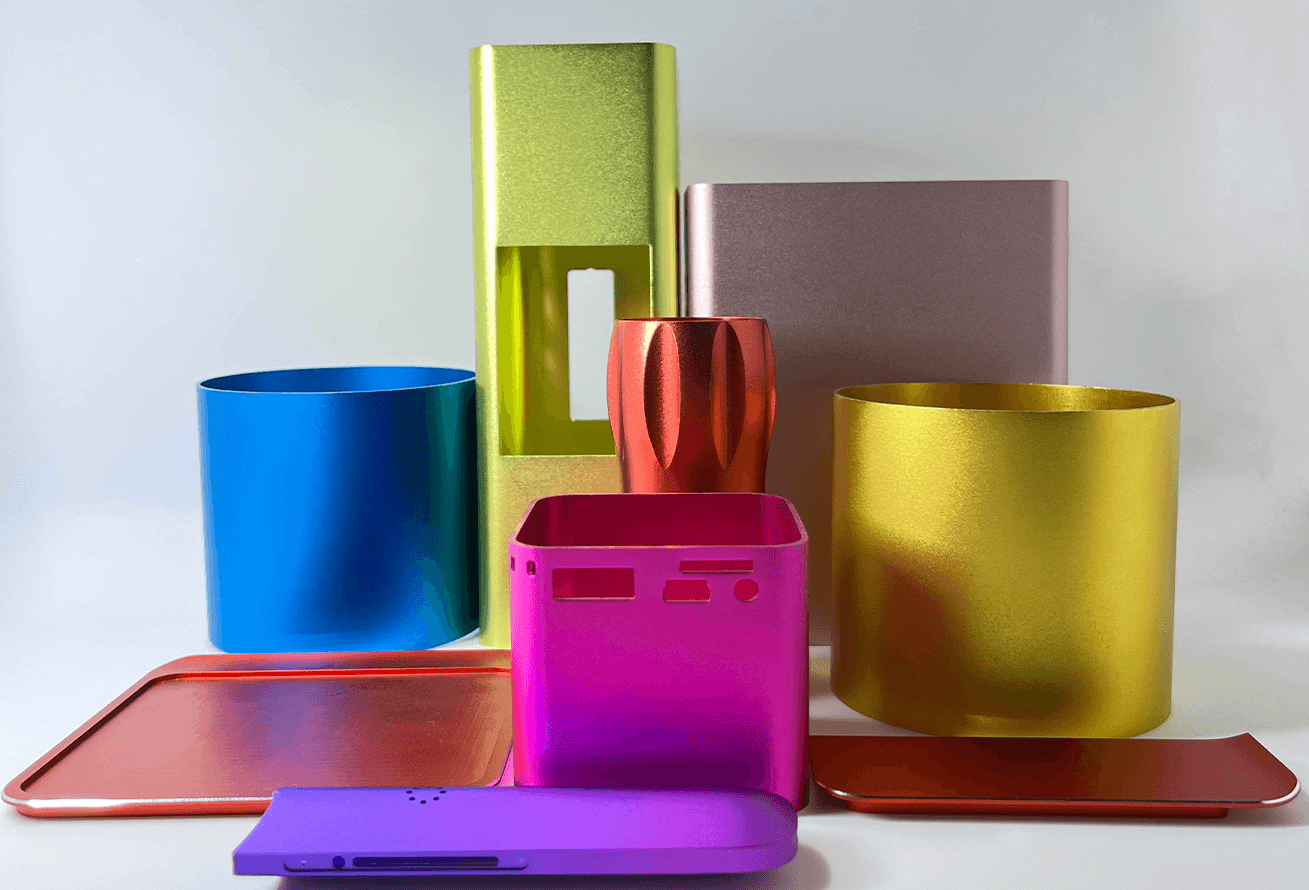
Understanding the underlying physics of how tailored finishing shields raw substrates is essential for mitigating early field failure.
Advanced finishing seals raw, vulnerable metallic substrates, creating an impenetrable chemical barrier against ambient moisture, oxygen, and corrosive gasses. While untreated aluminum or steel components degrade rapidly in harsh working environments, implementing passive oxide or plated barriers extends operational lifespans significantly. This protection is non-negotiable for aluminum robotics chassis and medical fluid-handling hardware exposed to sterilization cycles.
Lowering the average roughness (Ra) values reduces the micro-interlocking of surface asperities—the microscopic peaks on machined metal—during dynamic contact. Introducing hard, low-friction finishing layers limits material loss during continuous mechanical displacement. This factor directly preserves high-speed CNC Turning Services outcomes, such as custom-machined drive shafts, actuators, and dynamic robotic joints.
High-load cyclic stress patterns inherently exploit micro-cracks left behind by subtractive cutting tools. Relieving internal mechanical stress and flattening tool-mark valleys reduces sub-surface crack propagation. This process amplifies the structural endurance of precision structural parts under continuous vibration or load shifting.
Different finishing methods offer unique protection levels depending on the substrate material and operating environment.
Type III hard anodizing converts soft aluminum surfaces into a ceramic-like aluminum oxide layer (Al2O3). This shift boosts surface hardness up to 60-70 HRC, delivering exceptional wear resistance for moving components in automation. Meanwhile, precision polishing removes all traces of micro-crevices, delivering an ultra-smooth, biocompatible, and easily cleaned finish mandatory for critical medical devices.
Bead blasting utilizes micro-media to homogenize surface stress and create a uniform matte anchor pattern. Following this with powder coating or specialized painting establishes a thick, UV-stabilized polymer shield. This combination delivers outstanding outdoor anti-aging performance for structural enclosures and non-precision automation framing.
Retaining a raw surface finish introduces substantial longevity risks. Unprotected micro-defects invite premature structural oxidation, stress-riser cracking, and severe friction-induced degradation, which can drastically shorten a high-value product’s service life.
|
Finishing Method |
Primary Lifespan Benefit |
Best Applied To |
Expected Environment |
|
Hard Anodizing (Type III) |
Extreme wear resistance & surface hardness |
Milled Aluminum structures |
High-friction industrial automation |
|
Chemical Passivation |
Eliminates free iron to stop oxidation |
Turned Stainless Steel components |
Sterile medical & marine settings |
|
Electropolishing |
Ultra-smooth Ra, zero micro-flaws |
Intricate Milled/Turned medical parts |
Biocompatible laboratory environments |
|
Powder Coating |
Thick UV & environmental shield |
Heavy-duty enclosures & frames |
Outdoor exposure & harsh weather |
To ensure efficient budget allocation during Design for Manufacturability (DFM) reviews, processing selections should align with clear operational criteria:
Medical-Grade CNC Parts: These components require electropolished, chemically passive, ultra-stable finishes that resist harsh chemical sterilization cycles without degrading over time.
Robotic Kinetic Parts: High-velocity joints and shafts rely on hard-anodized, case-hardened, or low-friction thin-film coatings to withstand continuous cyclic friction.
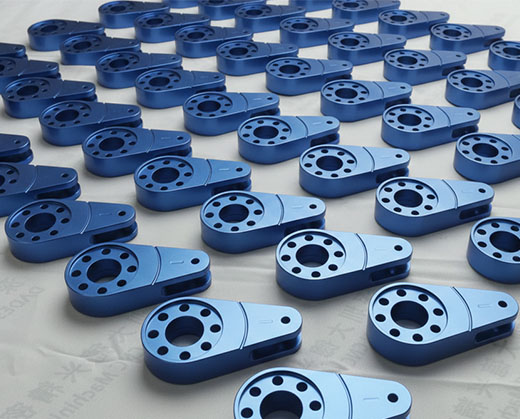
Heavy Machinery Components: Industrial framework requires heavy-duty electroplating or multi-layer powder coats to survive high-humidity or chemically aggressive deployment zones.
Aligning specific finishing metrics with custom milling and turning parameters during the early design phase is the most cost-effective way to secure long-term product reliability.
Surface finishing is a core mechanical requirement that fundamentally defines component reliability. By selecting the correct post-treatment pathway, you can significantly extend field service life while successfully maintaining strict micrometer precision profiles for complex custom projects.
Ready to optimize your component lifespan? Upload your CAD files to our secure portal for a rapid DFM assessment, or Contact Us directly for an expert surface finishing consultation.
By continuing to use the site you agree to our privacy policy Terms and Conditions.